2026-10-10 ·
How Lake-Effect Snow Damages Roofs in Gary
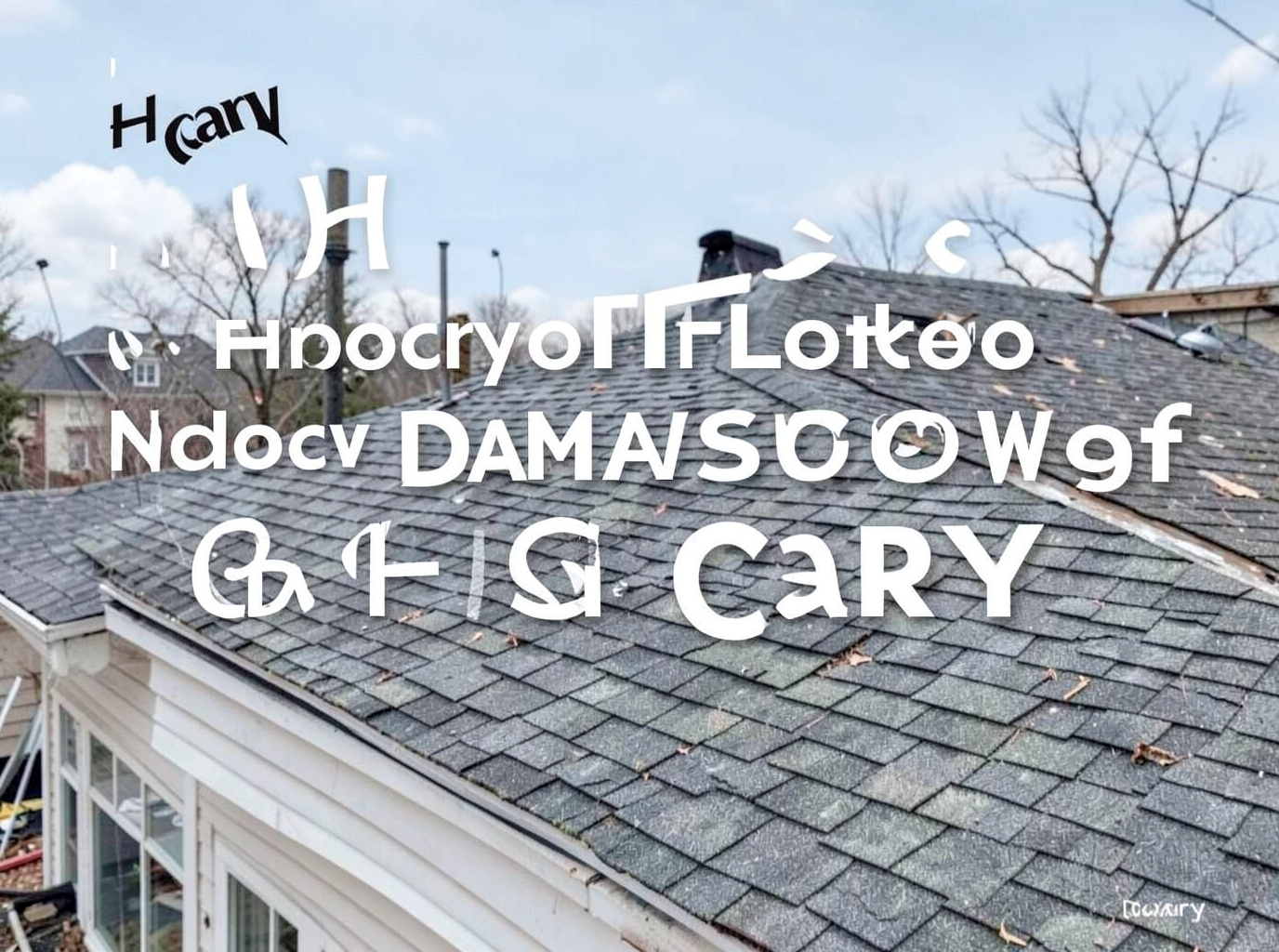
Lake-effect snow damages roofs in Gary when moist air off Lake Michigan dumps 2 to 4 feet of dense snow in single events, pushing loads to 25-40 pounds per square foot on older homes. This weight compresses shingles and flattens low-slope sections, opening seams that allow water entry once melting begins. Homes built before 1970 in Downtown Gary and Westside often lack the rafter spacing needed for these loads, so sagging starts early in the season.
Heavy Snow Loads on Older Housing Stock
Gary's housing stock from the steel era features many 2,000-square-foot homes with 2x6 or 2x8 rafters spaced 24 inches apart. When lake-effect snow adds repeated layers without wind scouring, the total weight exceeds what those members were sized for. In Miller Beach and Black Oak, where homes sit closer to the lakeshore, snow stays wetter and heavier than in inland spots like Merrillville. Owners notice ceiling cracks first above living rooms where rafters bow. Checking attic bracing after each major snowfall prevents sudden deck failure later in the season.
Ice Dam Formation from Freeze-Thaw Cycles
Temperatures swing between 15 and 35 degrees during Gary winters, so daytime melt runs down the roof then refreezes at the eaves. This builds ice dams that trap water under shingles, especially on north-facing slopes common in Glen Park and Brunswick. The dams grow 6 to 12 inches thick by mid-January and force water into nail holes and flashing gaps. Ice Dam Removal & Prevention crews see the same pattern every year along Lake Street corridors. Without early removal, the trapped water soaks insulation and drywall within days of the next thaw.
Effects on Flat and Low-Slope Roofs
Many commercial and garage roofs in East Chicago and Hammond use modified bitumen or single-ply membranes that pond when snow melts unevenly. Lake-effect snow melts faster on the sun-exposed side, sending water across the low spots that then freeze solid overnight. This cycle stretches seams and creates blisters that split by February. The linked article Flat Roof Ponding Water: When Puddles Become Leaks explains how these small ponds grow into full leaks under Gary's winter conditions. Regular clearing of drains before the first heavy snow reduces the risk on these surfaces.
Seasonal Maintenance That Limits Damage
A practical approach starts with clearing gutters and downspouts before Thanksgiving so meltwater has a path off the roof. Homeowners in Aetna and Tolleston also add heat cables along eaves on older homes where ice dams form first. The Gary Seasonal Roof Maintenance Checklist (Spring/Fall) outlines the exact steps local crews follow after each lake-effect event. Inspecting attic ventilation and insulation levels in fall keeps the roof deck closer to outdoor temperature and reduces the melt-refreeze loop. These steps cut leak calls by half in neighborhoods that follow them consistently.